
Ignition Repair
Ignition Repair Locksmith in Sacramento
Key goes in but will not turn? We find the real cause first, then repair or replace the ignition cylinder right where the car is parked.
CALL NOW: (530) 298-2899
An ignition that will not turn feels like a dead car, but most of the time the engine, battery, and key are fine. The trouble is inside the small cylinder the key slides into. Years of use and the weight of a full keyring slowly wear the wafers in that cylinder until they no longer line up with the cuts on your key.
Allan has spent 10 years on locks, keys, and cylinders, and Flat Price Locksmith works as a mobile locksmith in Sacramento, licensed by the state of California under BSIS License No. LCO7811. Ignition work is careful, step-by-step work, and this page explains exactly how we approach it so you know what a proper repair looks like.
Signs Your Ignition Cylinder Is Wearing Out
Ignition cylinders rarely fail all at once. They usually give warnings first.
- The key slides in but will not turn, or only turns after several tries.
- You have to wiggle or angle the key to find the spot where it catches.
- The key sticks and is hard to pull out after you shut the car off.
- The key feels loose or sloppy in the slot compared to how it used to feel.
If you notice any of these, it is worth calling before the cylinder stops cooperating completely. A worn cylinder does not usually get better on its own.
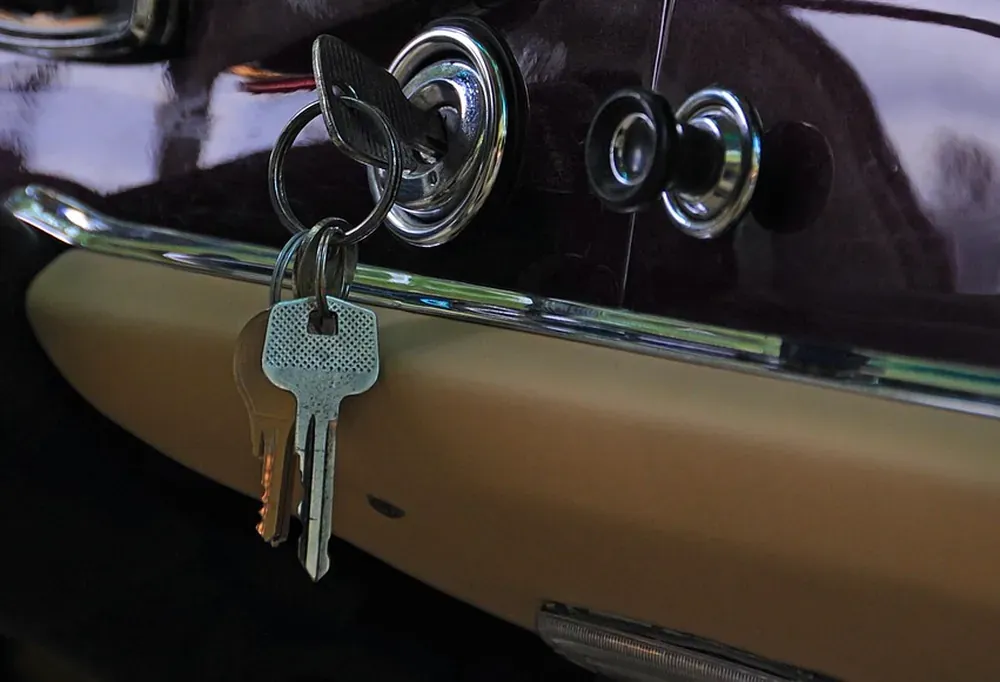
Why Ignition Cylinders Wear Out
An ignition cylinder is a precise little lock. Inside are small wafers that have to line up exactly with the cuts on your key before the cylinder will turn. Every start moves those wafers, and over years of daily driving they wear.
A few things speed that wear up:
- A heavy keyring. Every bump in the road swings that weight against the key while it sits in the ignition.
- A worn key. When the cuts on the key round off, it pushes the wafers unevenly and wears the cylinder faster.
- Forcing the key. Twisting hard when the key catches damages both the key and the cylinder.
- Heat and dust. Long Sacramento summers and dusty parking lots do not help small moving parts.
None of this means you did anything wrong. It is ordinary wear on a part that gets used every day.
Stop Before You Force It
This is the single most useful piece of advice on this page. When a key will not turn, the natural reaction is to push harder. That is how keys get snapped off inside the ignition.
A broken key inside a worn cylinder is a bigger job than the worn cylinder alone. The broken piece has to come out before any repair can start. So if the key will not turn, stop. If it comes out easily, take it out. If it does not, leave it and call us.
What to Tell Us When You Call
The more precisely you describe the problem, the better prepared we are. Useful details include:
- Year, make, and model of the vehicle.
- What the key does. Will not go in, goes in but will not turn, turns partway, or turns fully but the car does not start.
- Whether the key is stuck in the ignition right now.
- Whether you have a spare key, and whether the spare behaves the same way.
- Where the car is parked, so we can find you without a string of follow-up calls.
That last question about a spare key is a quick diagnostic on its own. If the spare turns smoothly and the everyday key does not, the key is the more likely problem.
Our Ignition Repair Process, Step by Step
Good ignition work follows an order. Skipping steps is how people end up paying for parts they did not need.
1. Describe the problem on the phone
You give us the vehicle and describe what the key does. Does it go in? Does it turn partway? Does the car crank but not start? Those answers tell us what to expect.
2. We come to the car
There is a $29 trip fee. Once we have seen the car, we give you the price for the job before we start.
3. Confirm ownership
Before working on an ignition, we ask for proof that the vehicle is yours, such as registration or title that matches your ID.
4. Diagnose before touching parts
We check the key and the cylinder separately. A badly worn key can act like a bad cylinder, and a failed chip can act like both. Finding the real cause first is the whole difference between a fix and a guess.
5. Repair or replace the cylinder
If the cylinder can be repaired, we repair it. If it is too worn, we replace it. Either way, the work happens on site.
6. Match the cylinder to your key
When we install a new cylinder, we can rekey it to your existing key. You keep one key for the car instead of carrying a second one just for the ignition.
7. Test before we call it done
The key has to go in smoothly, turn cleanly, and start the car. We test it before we leave.
Repair or Replace: How We Decide
Not every worn ignition needs a new cylinder. Some can be brought back into working order. Others are worn past the point where a repair will last, and replacing the cylinder is the honest recommendation.
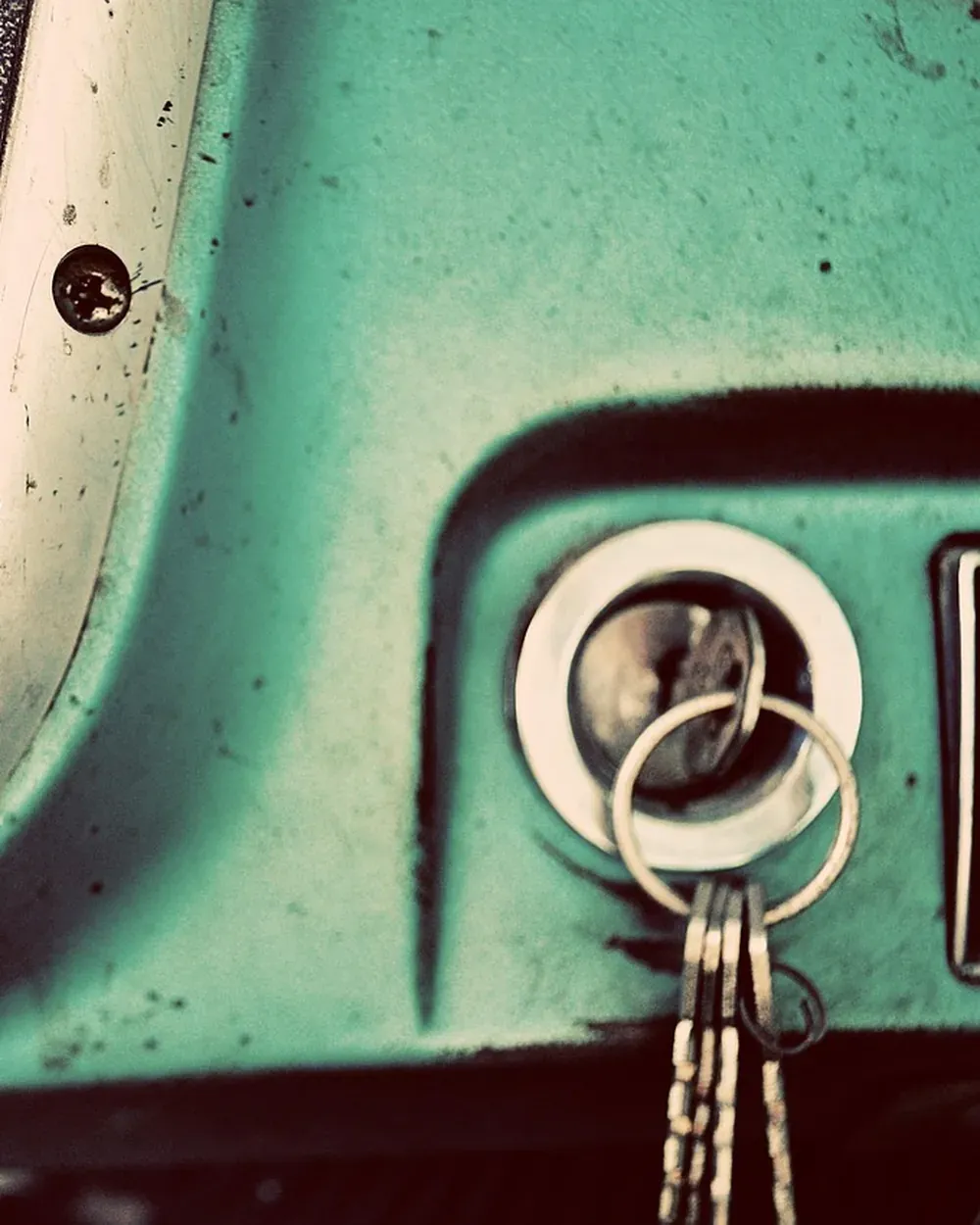
We tell you which one we are recommending and why, before the work starts. You will know what we are doing to your car before we do it.
Making the Repair Last
Once the ignition is working again, a few habits help keep it that way:
- Lighten the keyring. Keep the car key on its own ring or remove the heaviest items.
- Replace a worn key early. A fresh key is easier on the cylinder than a rounded one.
- Never force it. If the key starts catching again, call before it gets worse.
Sometimes the Ignition Is Not the Problem
A car that will not start is not always an ignition failure. Cars with a transponder chip in the key will not run if they cannot read that chip, even when the cylinder turns perfectly.
One customer’s call shows how different the real fix can be:
“My fob broke and my car would not start. I called thinking I’d fried it, but Allan walked me through finding the small chip inside the housing and holding it near the ignition. The car started right there. AAA had already given up and had my car towed, so this saved the day. Really appreciated him walking me through it over the phone.”
Daniel M., Google review
That call did not need an ignition repair at all. It needed the right questions. If your chip or fob is the issue, the next step is usually a new key through car key replacement or a paired fob through key fob programming. If you are stranded and need someone right now, our emergency locksmith line is the same phone number.
Ignition Calls North of Downtown
Plenty of our work happens in the city, but ignition wear builds up with years of daily driving wherever a car is parked. If your ignition is acting up in North Highlands, Antelope, or Rio Linda, the process above is exactly what you get: a visit to wherever the car is parked, diagnosis first, and a test before we leave. If you are farther out, check every community we serve.
If your key is starting to stick, catch, or refuse to turn, call now rather than waiting for it to fail in a parking lot. Describe the vehicle and how the key is behaving, and we will head your way.
When the Key Turns But the Car Doesn't Start
An ignition that won't turn is rarely the key's fault. Years of a heavy keyring hanging off it wear down the wafers inside the cylinder until they stop lining up. We repair or replace the cylinder on site and rekey it to the key already in your pocket, so you're not carrying two. Forcing it yourself is how a stuck ignition becomes a snapped key inside it, so call before you push harder.
What This Covers
- Diagnosis of key, cylinder, or chip before any parts are swapped
- Worn ignition cylinders repaired on site
- Ignition cylinders replaced when repair is not the right call
- New cylinder rekeyed to work with your existing key
- Straight advice on a stuck key before it gets forced
- Every repair tested with the key before we leave
- $29 trip fee, with the price given before work starts
How Our Ignition Repair Service Works
Step 1
Describe What's Happening
Key won't turn, won't come out, or the car won't start: tell us which and we'll know what to bring.
Step 2
Cylinder Repaired or Swapped
We work on the ignition cylinder itself, repairing or replacing it depending on how worn it is.
Step 3
Rekeyed to Your Key
The new or repaired cylinder is set to the key you already carry, so you're not juggling two.
Frequently Asked Questions
My key goes into the ignition but will not turn. Is the key bad or the ignition?
Usually it is a worn ignition cylinder. Over time the small parts inside wear until they no longer line up with the key. We check both the key and the cylinder on site before recommending a repair, so you are not paying to replace the wrong part.
Should I jiggle the key harder to get it to turn?
Please do not force it. Forcing a stuck ignition is one of the easiest ways to snap the key off inside the cylinder, which turns a simple repair into a longer one. Leave the key where it is, or take it out gently if it comes out easily, and call us.
If you replace my ignition cylinder, will I need a different key?
Not if you do not want one. We can rekey the new cylinder to your existing key, so the same key keeps working and you are not carrying two.
Can you repair the ignition where my car is parked, or does it need to be towed?
We repair and replace ignition cylinders on site, so the car does not need to move. That is the point of a mobile locksmith. We come to your driveway, parking lot, or curb.
My car turns over but will not start with the key. Is that an ignition problem?
It might not be. On cars with a transponder chip, the car can refuse to start if it cannot read the chip, even when the cylinder turns fine. Describe exactly what happens when you call, and we will help you figure out whether it is the cylinder, the key, or the chip.
How is ignition repair priced?
There is a $29 trip fee. Once we have seen the car, we give you the price for the job before we start. Tell us the year, make, and model, plus exactly how the key behaves, so we know what to expect.
A piece of my key broke off inside the ignition. What now?
Do not try to dig it out with pliers or a knife, since that can push it deeper or damage the cylinder. Call us with the vehicle details and a description of what broke. We will explain on the phone how we would handle it.
Ignition Repair Availability Across Sacramento
Sacramento and all of Sacramento County